
2025 has been a year defined less by dramatic shifts and more by careful recalibration. Across dozens of LinkedIn polls throughout the year, one thing became clear: professionals aren’t disengaged or directionless; they’re thoughtful, pragmatic and increasingly intentional about how they navigate their careers.
Rather than guessing where sentiment lies, we asked the questions directly. From job security and flexibility to AI, wellbeing, leadership and equality, the responses paint a detailed picture of what really matters to today’s workforce.
Here’s what our community had to say and what it tells us about the world of work right now.
Cautious confidence is shaping career decisions
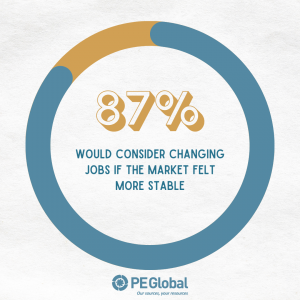
One of the strongest threads running through 2025 was measured ambition. Many professionals are open to change, but few are rushing into it.
A majority said they would consider changing roles if the job market felt more stable and most were comfortable applying for roles even if they didn’t meet every requirement. At the same time, regular career check-ins were often triggered by hitting a roadblock rather than proactive planning.
This points to a workforce that still believes in its capabilities, but wants reassurance and security before taking the next step. Confidence hasn’t disappeared; it’s just become more selective.
Flexibility is no longer negotiable
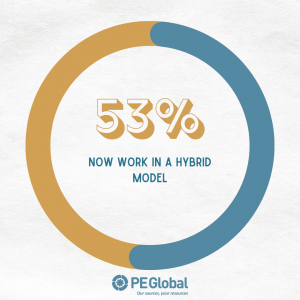
If there’s one area where sentiment was consistent all year, it’s flexibility.
Hybrid working is now the dominant model, with fully remote roles still firmly valued. Many respondents agreed that candidates would turn down job offers that didn’t include a remote option and work–life balance ranked highest when asked what jobseekers will care about most over the next 6–12 months.
Interestingly, while office-based work was still associated with collaboration and focus, attempts to track attendance or enforce rigid policies raised concerns around trust. The message here is clear: flexibility underpins retention, but it must be handled with transparency and respect.
AI is embedded but not blindly embraced
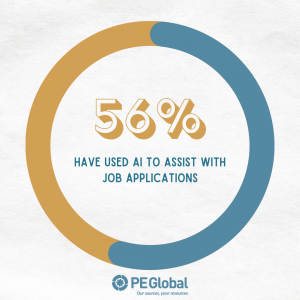
AI featured heavily across polls and the responses were refreshingly balanced.
Most professionals have used AI tools to support job applications, CVs or day-to-day tasks, yet many said it hasn’t significantly changed how often they apply for roles. When asked whether AI is a job threat or a driver of evolution, the majority landed firmly in the middle, seeing it as both.
There was also growing awareness of AI fatigue, with some feeling energised by upskilling, while others admitted to feeling overwhelmed by constant updates and new tools. Ethical use, bias and sustainability were recurring concerns.
Overall, the message wasn’t resistance; it was responsible adoption. People want AI that supports better work, not replaces judgement or human connection.
Growth matters more than titles
When it comes to motivation and retention, traditional status symbols are losing ground.
Career growth, work–life balance and pay and benefits consistently ranked higher than leadership titles or long-term tenure. Supportive and understanding leadership was rated far more inspiring than visionary or creative styles and mentorship was valued most for knowledge-sharing and career guidance rather than prestige.
Upskilling and reskilling emerged as the most important form of career cushioning, ahead of networking or contract exploration. Professionals are clearly focused on long-term employability, not just short-term progression.
Wellbeing is acknowledged but pressure remains
Despite increased awareness around mental health, stress remains a common workplace experience.
Many respondents reported feeling work-related stress frequently or at least occasionally, yet colleagues and mental health first aiders were seen as more approachable than HR when it came to discussing mental health. This highlights a gap between policy and lived experience.
The takeaway is not that organisations aren’t trying, but that trust, accessibility and culture still shape whether support is actually used.
Equality and inclusion: progress with caveats
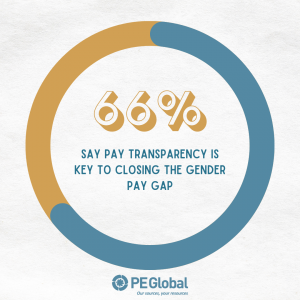
Polls tied to International Women’s Day and wider DE&I themes showed a mix of optimism and frustration.
Views were split on whether employers’ commitment to diversity and inclusion has increased and many felt gender progression barriers remain unchanged or have worsened since the pandemic. Pay transparency was seen as the most effective way to close the gender pay gap, while flexible working was overwhelmingly identified as the biggest support for working mothers.
Representation at the senior leadership level was another area where confidence lagged. While progress is being made, expectations have risen and delivery is being watched more closely.
The everyday realities of work still matter
Beyond big themes, our community was candid about the small frustrations that shape working life.
Admin-heavy workloads were seen as a major drain on productivity. Verbal communication and presentation skills were highlighted as the area many want to improve most, while discovering suitable job opportunities remains a bigger challenge than CV writing or interviews.
Even lighter polls, from workplace jargon to morning routines, reinforced a broader point: culture is built from daily experience, not strategy documents.
Looking ahead: realism about the future of work
When asked to look beyond 2025, responses were grounded rather than speculative.
AI-driven careers are expected to grow, but there’s concern about trust slowing hiring and entry-level roles becoming harder to access. Sustainability is increasingly influencing job decisions, with most viewing it as an important, though rarely singular, factor when exploring new opportunities.
The outlook isn’t pessimistic, but it is conditional. Professionals want progress, innovation and growth, without sacrificing fairness, wellbeing or opportunity.
Final thoughts: what this means for employers and candidates
Taken together, these insights tell a clear story. Today’s workforce is informed, values-driven and quietly confident, but unwilling to compromise on flexibility, trust, or growth.
For employers, the message is simple: listen closely, act transparently and focus on the fundamentals. For candidates, it’s a reminder that confidence, adaptability and continuous learning remain powerful assets.
Above all, 2025 has shown that the future of work isn’t being shaped by one trend alone. It’s being shaped by people making deliberate, thoughtful choices about what they want from their careers.